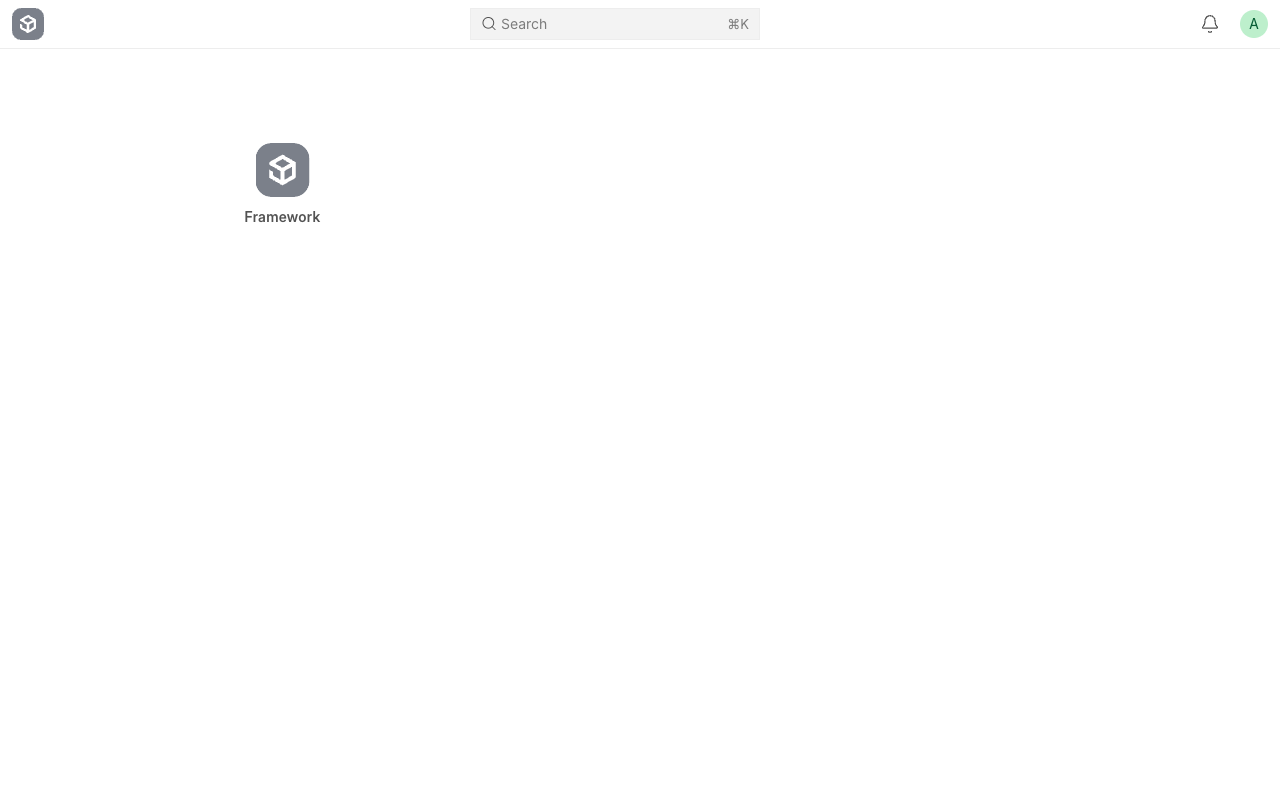
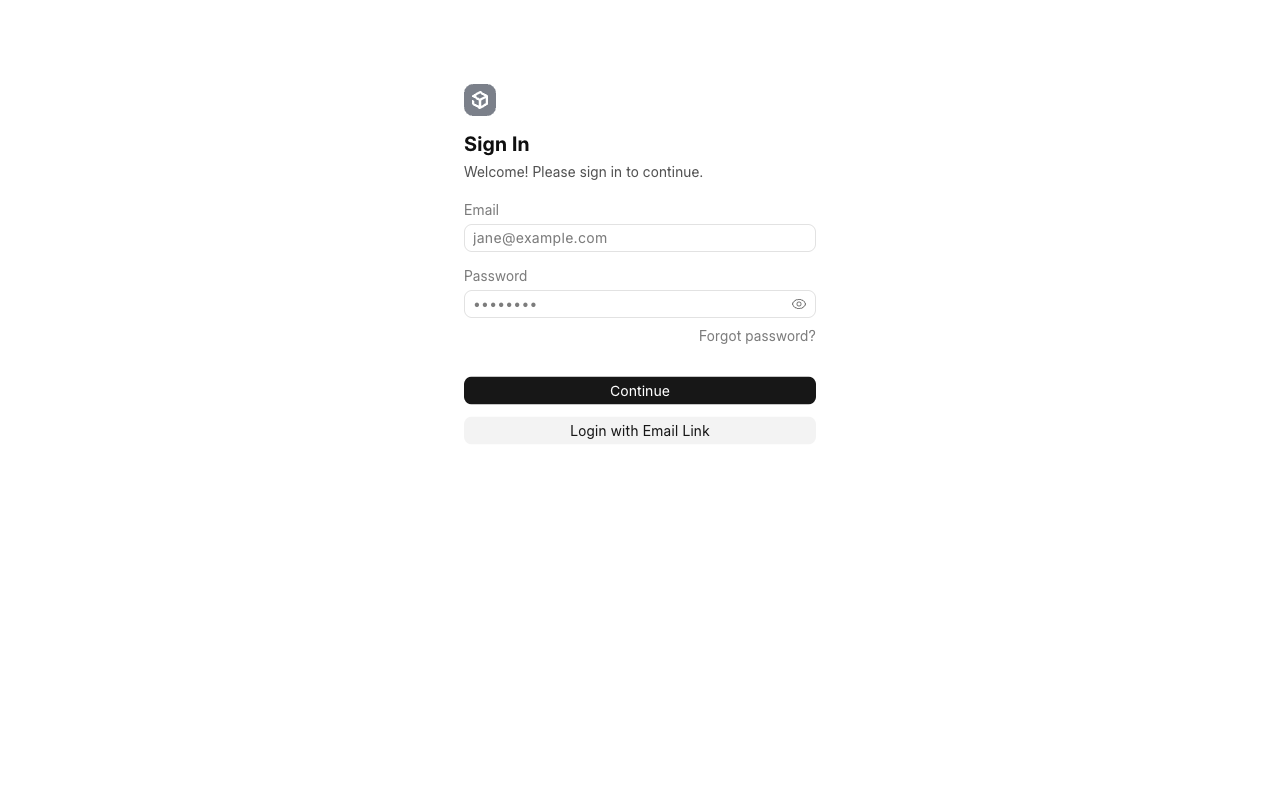
After signing in · Oct 21, 2026Sign-in page · Oct 21, 2026
About this app
Full business accounting: invoices, payments, purchasing and reports, plus much more if you want it.
Tested by Langford on Oct 21, 2026: Started from the project's published images and signed in as a new admin; the page showed "Framework". Read the test report
What it replaces
QuickBooks
NetSuite
Information
Made by
Run and supported by Langford; built on open-source software
Needs setup. Turn on sign-in rules and user roles before you store client records.
What “Tested” means
Started from the project's published images and signed in as a new admin; the page showed "Framework". Testing shows the app starts and signs in. It is not a security audit.
I run a:
Rules this helps you meet:GLBA Safeguards Rule — The safeguards apply once we host it
You hold customer information, so you need a written information security program (WISP), and every vendor that touches the data belongs in it. This hosting covers on our side several elements of the Safeguards Rule under the Gramm-Leach-Bliley Act (GLBA): encryption, logging and monitoring, access limits and change control. For advisers and broker-dealers it helps you meet the safeguarding parts of SEC Regulation S-P. Below are vendor due-diligence questions answered for Langford Ledger · Complete.
What your examiner or auditor will ask
Is customer information encrypted at rest and in transit?
Yes. Storage encryption is always on, and every connection uses TLS 1.2 or later.
Is multi-factor authentication (MFA) required for anyone who accesses customer information?
Not by default. Turn on this app's own two-step sign-in if it has one. Our platform-wide sign-in with authenticator codes is designed but not built yet.
Our hosting logs every database and storage access to a separate archive kept 6 years. A per-user activity screen inside the app depends on the app; our built-in one is designed, not built. Each customer's setup is also assessed continuously against the hosting rules.
BuiltDesigned, not builtEvidence: the checks below · our control listMaps to: FTC Safeguards Rule under GLBA (16 CFR 314.4(c)(8), 314.4(d)(2))
Is access limited to authorized users and systems?
Our side: the app's identity can reach only its own database and storage, and nothing is reachable from the internet except the app. Inside the app, row-level limits are designed, not built; use the app's roles.
BuiltDesigned, not builtEvidence: the checks below · our control listMaps to: FTC Safeguards Rule under GLBA (16 CFR 314.4(c)(1))
How are changes to the system managed?
Every change is code, pinned to an exact image, and recorded with who made it.
Do your records meet broker-dealer write-once record-keeping?
Not yet. Our audit archive is write-once (WORM), but its lock is not engaged yet, so it does not yet meet broker-dealer record-keeping rules. It also holds audit logs, not your business records.